
Education and Literacy Programs
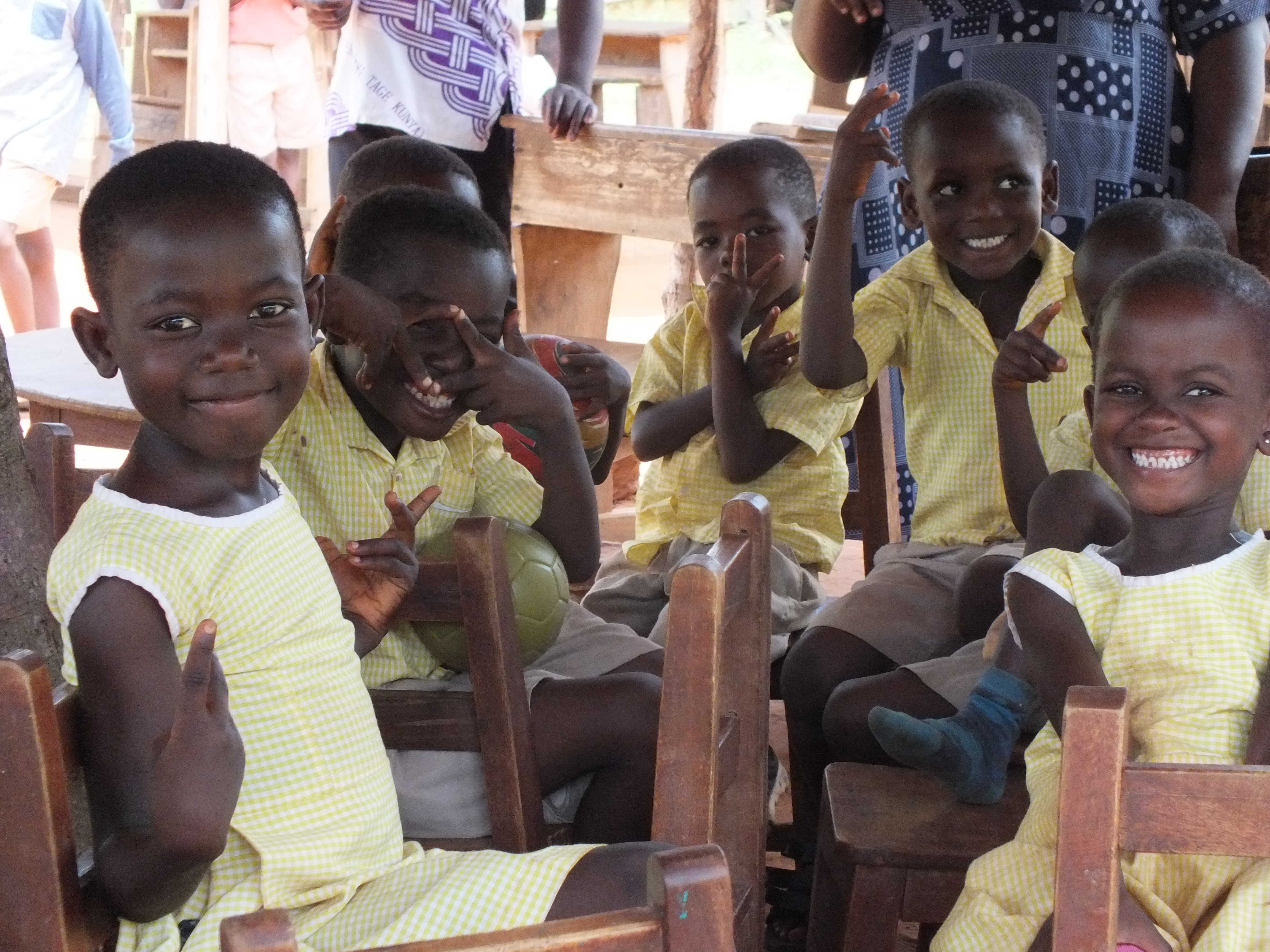 In Ghana, as elsewhere, many children, girls, and youth remain excluded from education and career opportunities — girls' participation lags behind boys', often driven by early marriage. This project seeks to ensure equal access to quality education for all children, girls, and youth.
Literacy Program: Ghana faces a literacy and education crisis. Only 72% of adults — and 80% of those under 25 — are literate, and Ghana ranks lowest among 76 countries assessed for education quality, with students taking twelve years to learn what peers in advanced countries master in six; rural areas fare worse still. Over 400,000 children aged 4–5 (1 in 4) are not enrolled in pre-primary education, and nearly 623,500 primary-age children remain out of school. More than 20% of children with physical disabilities are not attending school, and 25% of students drop out before reaching high school. The average Ghanaian girl receives just four years of education, driven by child marriage, teen pregnancy, gender-based violence, and sexual abuse and exploitation.
Our literacy program includes:
- Outreach to locate out-of-school children and connect them with educational resources
- Educational materials for local schools and students in deprived communities
- Trauma-informed teacher training, addressing both students' trauma and teachers' own
- Online counselling to support teachers through trauma issues
- Consultation services to help schools adopt trauma-informed practices
- Residential care for talented students at risk of dropping out due to their living situation
- ICT training for teachers and students
- Research into the drivers of low attendance and success among girls, to inform targeted strategies
Let Girls Excel Africa Program
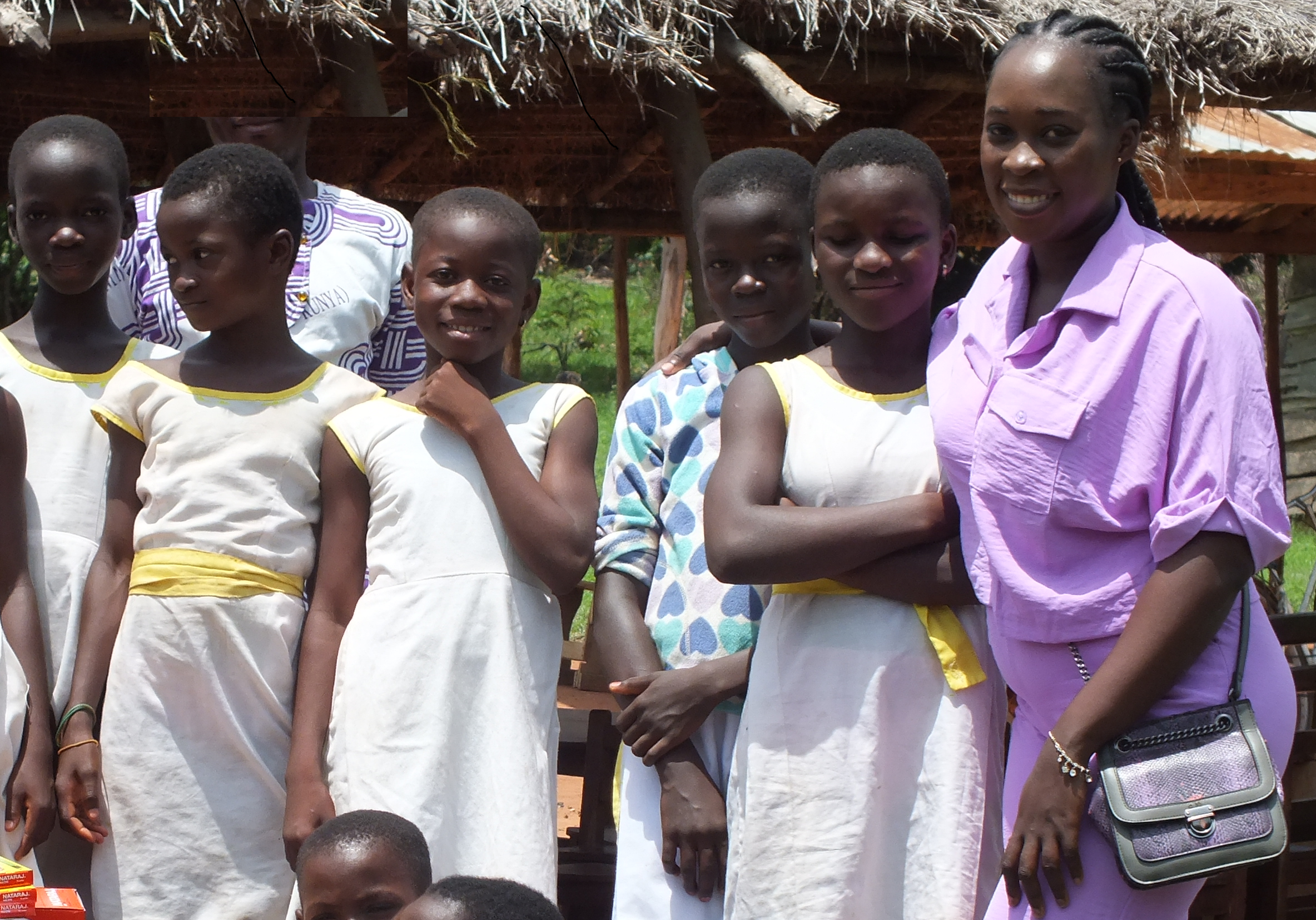
Supporting girls is a proven precondition for development worldwide: when girls are healthy and educated, society benefits from economic growth, reduced poverty, and better prospects for the next generation. Yet girls in Ghana continue to face significant barriers to education, career development, and a decent social life — starting in childhood, with around 25% forced into marriage before age 18. In their teens, girls commonly face a lack of education support, forced marriage, sexual harassment, limited mentoring and leadership opportunities, and inadequate menstrual health education and access to care products.
This program gives vulnerable girls access to:
- Education support
- Mentoring, counselling, career guidance etc.
- Leadership training, career development, and support
- Menstrual care education and free menstrual care products
- General health and wellbeing education and support
Women's Economic Empowerment Programs
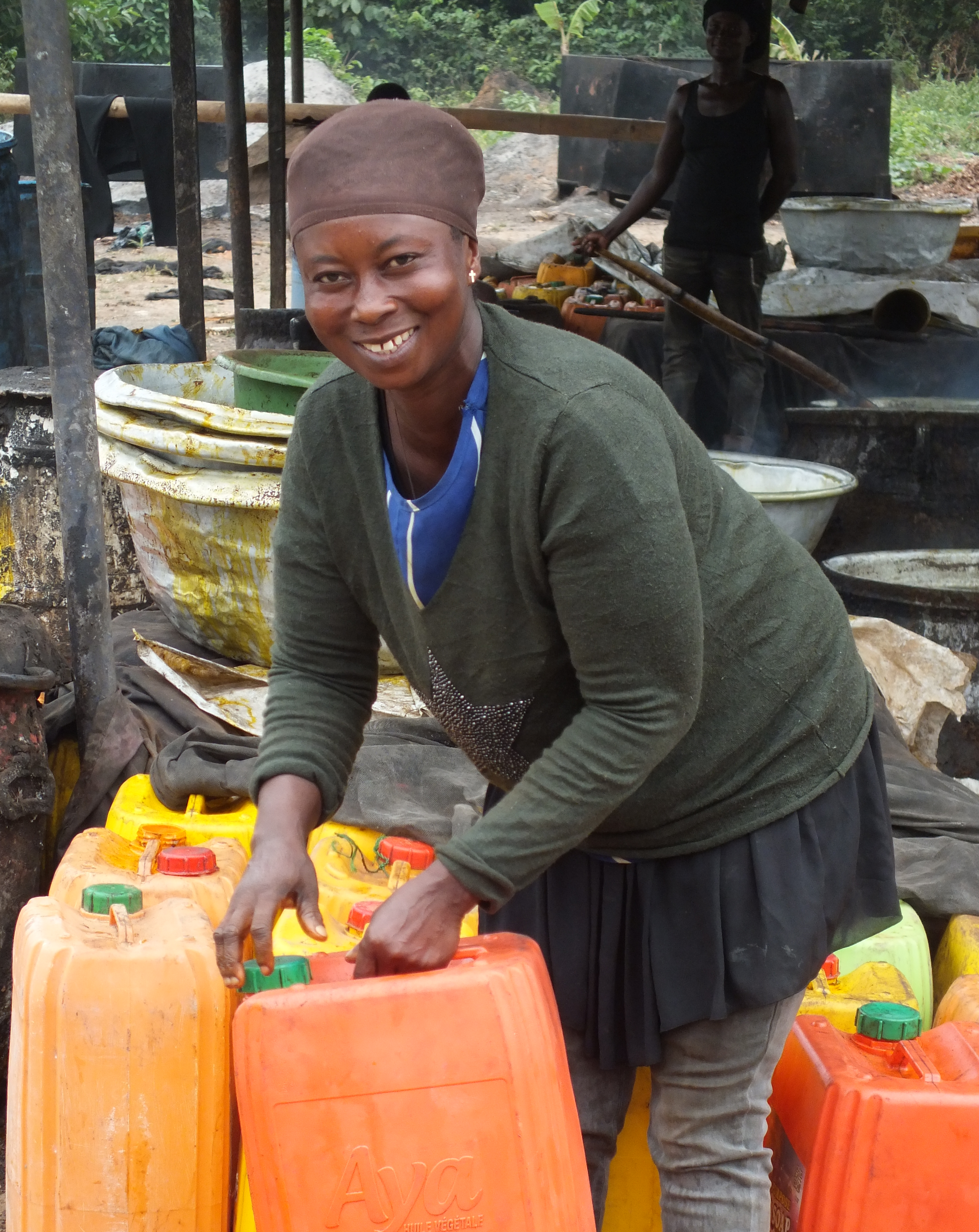
This project supports vulnerable women and their families in achieving economic independence.
In Ghana, women own and operate over 46% of businesses — one of the highest rates of women-owned enterprises in the world. Yet women continue to face significant barriers, including limited confidence, training, and funding, as well as restrictive cultural and religious norms. A lack of support from men, coupled with intimidation and harassment, keeps many women confined to businesses that don't provide consistent income. Most also face sexual and gender-based violence, often suffering in silence, and many struggling women are unable to provide even one meal a day for their families.
This project aims to promote and protect women's economic and human rights, while expanding opportunities through the development of income-generating businesses and careers.
Sustainable Environment Programs
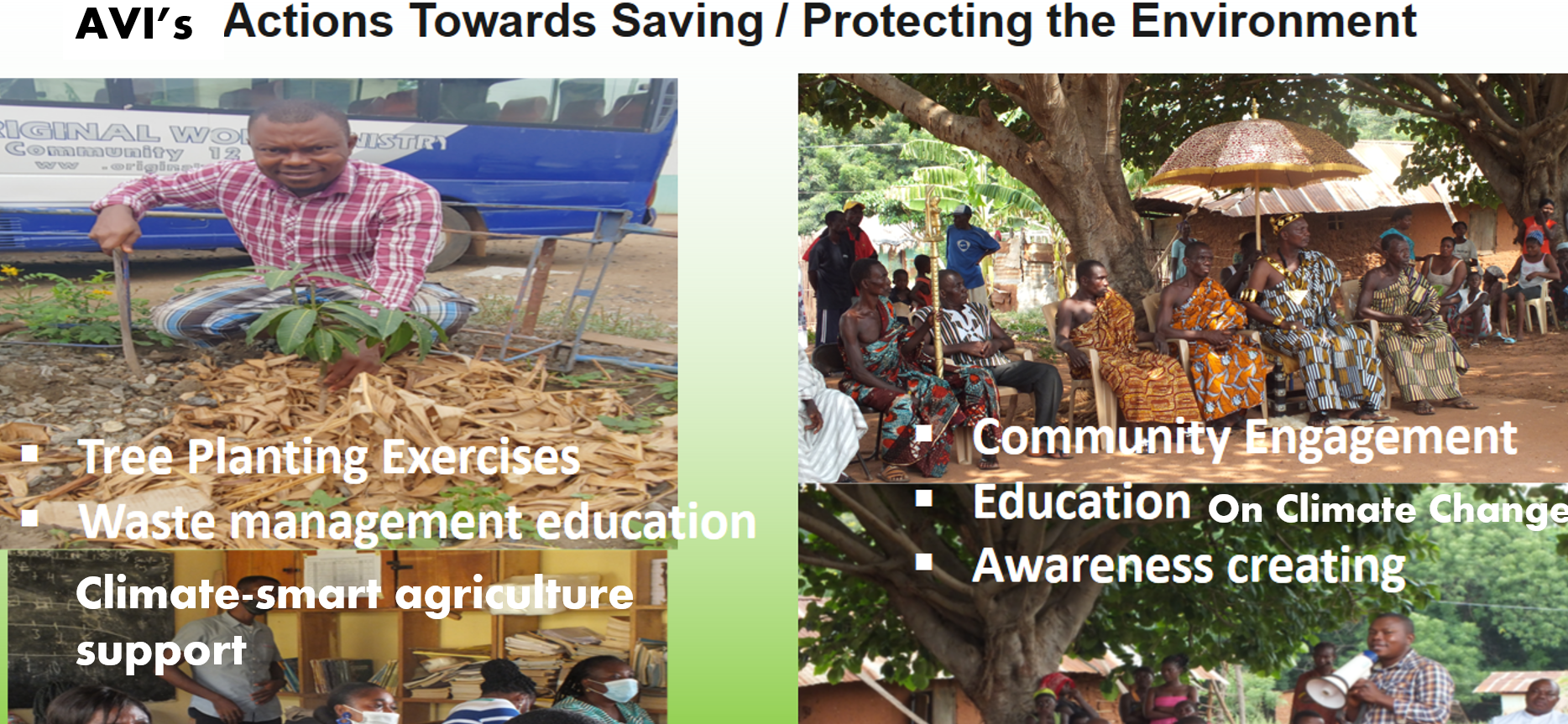
Africa is the continent most affected by climate change, yet limited education and the pressing demands of day-to-day survival leave environmental protection a low priority for many vulnerable communities.
Ghana's natural resources have been depleted over generations. Declining rainfall, deforestation, severe weather, water and air pollution, illegal mining, and poor waste management continue to threaten lives, communities, and the environment.
Our environmental work includes:
- Advocacy for environmental protection
- Sustainable environment and climate education
- River cleanup, restoring waterways for safe use and aquatic habitats
- Waste management advocacy, with a focus on plastics
- Water resource management, including strategies for clean drinking water access
- Tree planting along riverbanks
- Clean energy promotion